
Introduction
Janmashtami Pooja is a sacred Hindu festival that celebrates the divine birth of Lord Krishna, the eighth incarnation of Lord Vishnu. It marks the victory of good over evil and the beginning of a new era of devotion, love, and righteousness. This auspicious day usually falls on the eighth day (Ashtami) of the Krishna Paksha in the month of Bhadrapada (August–September).
Devotees observe this day with deep faith and joy through fasting, devotional singing, dancing, and rituals that honor Lord Krishna’s birth. The pooja includes Abhishek (holy bath) of Krishna idol, chanting of mantras, offering of sweets like Makhan and Mishri, and decorating the temple or home altar beautifully.
Janmashtami Pooja not only celebrates the arrival of the divine but also inspires people to live with truth, love, compassion, and devotion. It reminds us of Krishna’s teachings in the Bhagavad Gita, guiding us toward a path of peace and righteousness
Janmashtami Pooja not only celebrates the arrival of the divine but also inspires people to live with truth, love, compassion, and devotion. It reminds us of Krishna’s teachings in the Bhagavad Gita, guiding us toward a path of peace and righteousness.
What is janmashtami pooja
Janmashtami Pooja is a religious ceremony dedicated to Lord Krishna, celebrating His divine birth on Earth. It is one of the most joyous and spiritually uplifting festivals in Hinduism. The pooja signifies the moment when Lord Vishnu took his eighth incarnation as Krishna to restore dharma (righteousness) and eliminate evil forces.
During this sacred occasion, devotees observe fasts, sing devotional songs (bhajans), and perform rituals that depict the birth and life of Lord Krishna. The rituals often include midnight celebrations, as it is believed that Lord Krishna was born at midnight in Mathura.
Significance of Lord krishna’s birth
The birth of Lord Krishna holds profound spiritual, moral, and cosmic importance in Hinduism. It symbolizes the victory of light over darkness, good over evil, and truth over falsehood. Each aspect of Krishna’s birth carries deep meaning that guides humanity toward a righteous path.
History and Mythological Background
Janmashtami has its roots in ancient Hindu mythology and history, celebrating the birth of Lord Krishna, the eighth avatar of Lord Vishnu. According to sacred texts like the Bhagavata Purana and Mahabharata, Krishna was born over 5,000 years ago in Mathura, inside a prison cell to Devaki and Vasudeva. His birth took place during a time of great darkness and oppression under the cruel rule of King Kansa.
who was foretold that Devaki’s eighth son would be his destroyer. To protect the divine child, Vasudeva secretly carried baby Krishna across the Yamuna River to Gokul, where he was raised by Nanda and Yashoda. This miraculous event symbolizes the victory of good over evil and the arrival of divine hope for humanity.
Date and Astrological Timing of Janmashtami
Janmashtami is observed on the eighth day (Ashtami Tithi) of the Krishna Paksha (the dark fortnight) in the Bhadrapada month as per the Hindu lunar calendar — which usually falls between August and September in the Gregorian calendar.
Astrologically, this sacred day marks the exact alignment of Rohini Nakshatra (the star under which Lord Krishna was born) and the Ashtami Tithi. Devotees believe that Lord Krishna was born at midnight, when the moon was in Rohini constellation, symbolizing divine serenity and spiritual light overcoming darkness.
The combination of Krishna Paksha Ashtami and Rohini Nakshatra makes this period highly auspicious, and devotees perform the Janmashtami Pooja during this celestial time to invoke maximum spiritual blessings from Lord Krishna.
Meaning of the Festival – Janmashtami
The festival of Janmashtami holds deep spiritual and cultural meaning. It celebrates the birth of Lord Krishna, the divine incarnation of Lord Vishnu, who came to Earth to restore dharma (righteousness) and destroy evil forces.
Beyond its religious aspect, Janmashtami symbolizes the triumph of good over evil, the power of divine love, and the victory of light over darkness. It teaches that whenever negativity and injustice dominate the world, the Divine takes birth to guide humanity toward truth and harmony.
The festival also carries a personal spiritual message — that Krishna is born within every heart that is pure, loving, and devoted. Thus, Janmashtami is not just a commemoration of a divine birth, but a celebration of inner awakening, faith, and devotion that brings peace, joy, and balance to life.
Symbolism of Krishna’s Birth as Victory of Good Over Evil
The birth of Lord Krishna stands as a timeless symbol of the triumph of good over evil. According to Hindu mythology, the Earth was burdened by cruelty, greed, and injustice under the tyrannical rule of King Kansa, who represents the dark forces of ego, anger, and ignorance. To restore balance and righteousness, Lord Vishnu incarnated as Krishna, bringing divine light to dispel the world’s darkness.
Krishna’s miraculous birth in a prison, amidst danger and fear, signifies that divine power can manifest even in the darkest times to protect truth and virtue. His escape from Kansa’s clutches and upbringing in Gokul reflect that innocence, purity, and love are stronger than hatred and evil.
Thus, Krishna’s birth is not merely a mythological event but a spiritual message — reminding humanity that truth, love, and righteousness always prevail, and that whenever evil rises, divine justice will always be reborn to restore harmony in the world.
Representation of Divine Love, Wisdom, and Joy
The life and birth of Lord Krishna beautifully embody divine love, wisdom, and joy, making Janmashtami a celebration of these eternal qualities.
- Divine Love: Krishna’s childhood pastimes with Radha and the Gopis exemplify pure, selfless devotion (bhakti). His love teaches that true devotion transcends selfish desires, creating a bond between the human soul and the Divine.
- Wisdom: Through his teachings in the Bhagavad Gita, Krishna imparts spiritual knowledge, moral guidance, and practical wisdom. He instructs humanity on how to act righteously, maintain balance in life, and remain detached from material attachments while fulfilling one’s duties.
- Joy and Bliss: Krishna’s playful nature, enchanting flute, and joyous activities spread happiness and positivity. His life reminds devotees that spiritual awakening is not solemn or sorrowful; it is filled with celebration, laughter, and inner bliss.
In essence, Krishna’s birth symbolizes the union of love, knowledge, and joy, inspiring people to live compassionately, wisely, and joyfully in harmony with the world.
Importance of Devotion and Faith in Janmashtami
Janmashtami emphasizes the power of devotion (bhakti) and faith (shraddha) as essential pathways to connect with the Divine. Lord Krishna’s life demonstrates that sincere love and unwavering faith can overcome all obstacles, worldly fears, and challenges.
- Strengthening Spiritual Connection: Devotion allows devotees to cultivate a deep bond with Lord Krishna, inviting his blessings, guidance, and protection into their lives.
- Inner Peace and Happiness: Faith and bhakti bring mental clarity, emotional stability, and joy, helping individuals navigate life with positivity and resilience.
- Moral and Ethical Living: Through devotion, followers learn to act righteously, serve others selflessly, and uphold dharma, reflecting Krishna’s teachings in daily life.
- Overcoming Darkness: Just as Krishna’s birth brought light to a world of evil, faith in the Divine empowers devotees to conquer negativity, fears, and doubts within themselves.
In essence, Janmashtami teaches that devotion and faith are not just rituals—they are the heart of spiritual growth, guiding individuals toward love, wisdom, and ultimate liberation.
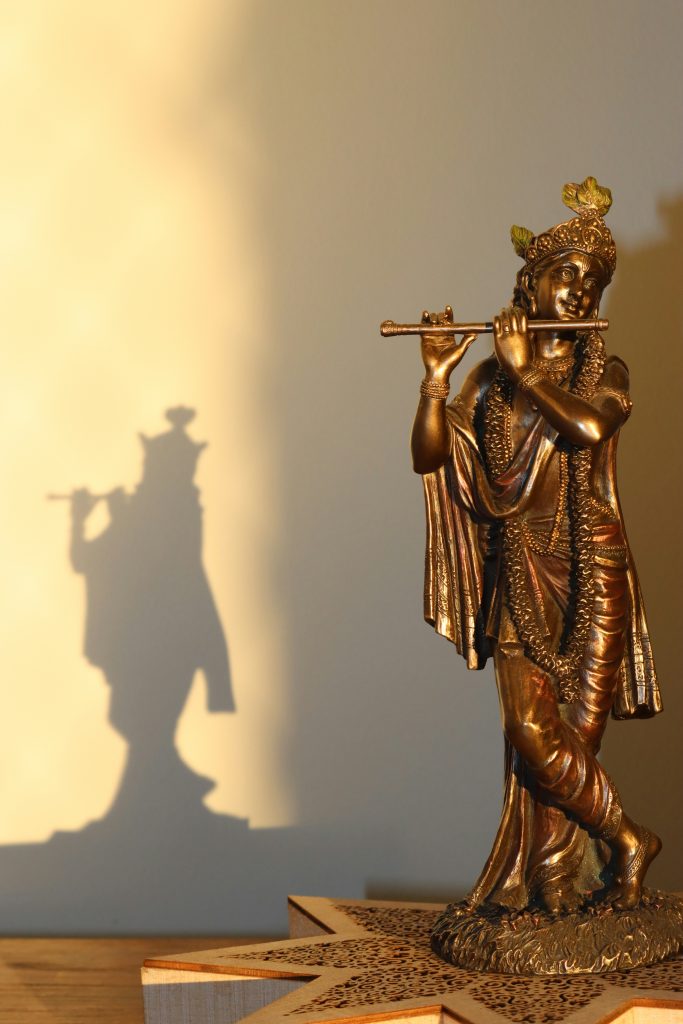
For more information please visit wikipedia
Spiritual Importance of Janmashtami
Janmashtami holds profound spiritual significance, as it celebrates the birth of Lord Krishna, who embodies divine consciousness, righteousness, and eternal wisdom. Observing this festival encourages devotees to reflect on their spiritual path and strengthen their inner connection with the Divine
Krishna as an Avatar of Vishnu
Krishna is the eighth avatar of Lord Vishnu, born to restore dharma and protect the world from evil. He embodies divine love, wisdom, and joy, guiding humanity through his teachings and actions. His life symbolizes the victory of good over evil.
The Eighth Incarnation and His Divine Purpose
Lord Krishna, as the eighth incarnation (Ashtavatar) of Lord Vishnu, was born to restore dharma (righteousness) and protect humanity from evil forces. His divine purpose was to eliminate tyranny, guide people toward moral and spiritual living, and spread the eternal wisdom of the Bhagavad Gita. Through his life, Krishna demonstrates how divine intervention manifests to uphold justice, love, and truth in the world.
Lessons from Krishna’s Life and Teachings
The life of Lord Krishna offers timeless lessons that guide humanity toward righteous living, spiritual growth, and inner happiness:
- Uphold Dharma: Krishna teaches the importance of righteousness and moral duty in all circumstances, inspiring us to act ethically even in challenging situations.
- Practice Devotion and Love: His interactions with devotees show that pure love and selfless devotion lead to divine blessings and spiritual fulfillment.
- Face Challenges with Courage: From his childhood struggles to the battle of Kurukshetra, Krishna demonstrates courage, wisdom, and strategic thinking in overcoming obstacles.
- Detachment and Duty (Karma Yoga): The Bhagavad Gita emphasizes performing one’s duty without attachment to results, fostering inner peace and balance.
- Joy and Positivity: Krishna’s playful and joyful nature reminds us to embrace life with happiness, creativity, and a positive spirit.
- Unity and Compassion: His teachings highlight compassion, forgiveness, and harmony, guiding people to live in peace with others.
In essence, Krishna’s life is a living guide to spiritual, ethical, and joyful living, showing that divine wisdom can be applied in every aspect of human life.
Symbolic Significance of Krishna’s Birth” Janmashtami Pooja
Symbolic Significance of Krishna’s Birth
The birth of Lord Krishna is not just a historical or mythological event; it carries deep spiritual and symbolic meaning that transcends time and culture. Krishna’s advent represents the eternal triumph of good over evil, as he was born at a time when the world was engulfed in darkness and tyranny under King Kansa. His birth symbolizes hope, divine intervention, and the restoration of dharma (righteousness).
Krishna’s life teaches the importance of love, devotion, and moral courage. His birth in a humble setting, a prison cell, signifies that divinity can manifest anywhere, irrespective of social status or material wealth, inspiring devotees to find God in everyday life. It also reflects the victory of innocence, purity, and truth, emphasizing that even in adverse conditions, divine wisdom and virtue will ultimately prevail.
Furthermore, Krishna’s birth is celebrated during Janmashtami to remind humanity of the joy, guidance, and spiritual awakening he brought into the world. It encourages devotees to cultivate virtues like compassion, courage, and devotion in their own lives, reflecting the eternal message that divine light always shines, even in the darkest times.
Relevance in Modern Life for your Janmashtami Pooja
The teachings and life of Lord Krishna hold profound relevance in today’s fast-paced world. His message of dharma (righteousness) and selfless love encourages individuals to act with integrity, compassion, and moral courage, even amidst challenges and ethical dilemmas. Krishna’s emphasis on detachment from materialism while performing one’s duties inspires modern individuals to balance ambition with mindfulness and inner peace.
In an era marked by stress, competition, and uncertainty, Krishna’s life reminds us to approach challenges with wisdom, patience, and positivity. His guidance encourages problem-solving through intelligence and devotion, fostering harmony in relationships, communities, and society at large. Celebrating Janmashtami today is not just a ritual, but a reminder to embody Krishna’s virtues—love, courage, and righteousness—in everyday life.
Krishna’s teachings from the Bhagavad Gita
Lord Krishna’s teachings, especially from the Bhagavad Gita, remain highly relevant in modern life. His guidance on dharma (righteousness), selfless action, and detachment from outcomes helps individuals navigate challenges with clarity, wisdom, and integrity. By applying these principles, one can perform duties without stress, make ethical decisions, and maintain inner peace amid the pressures of today’s fast-paced world.
Krishna’s lessons encourage mindful living, balanced ambition, and compassion, reminding us to act with courage and love while contributing positively to society. Celebrating Janmashtami today is a chance to reflect on these timeless teachings and integrate them into everyday life for spiritual and personal grow
Importance of balance between duty and devotion
The act of performing the rituals, like fasting until midnight, cleaning and decorating the altar, preparing offerings, and following the 16-step worship, represents duty and discipline. This discipline is necessary to focus the mind and dedicate the body to the service of God.
You must perform your duties in the world (like a good parent, student, or employee) without being lazy or chaotic, much like Krishna perfectly executed his divine duties.
Devotion as the Essence The feeling with which the rituals are performed is devotion. Singing the rocking in the cradle, and feeling a heart-deep love for the Lord prevents the duty from becoming a dry, mechanical act.
A successful Janmashtami pooja is one where the devotee performs the required duties (fasting, aarti with the mindset of complete devotion—offering every action and every moment of the day as a service to the Divine. It’s the perfect blend of disciplined action and selfless love.
Preparations for Janmashtami Pooja
Cleaning and Decoration:
The home and mandir are purified with sacred Ganga jal. The altar and Jhula (cradle) of Lord Krishna are decorated with flowers, lights, and peacock feathers to create a divine atmosphere.
Essential Pooja Items:
Devotees arrange Baby Krishna’s idol, Panchamrit (milk, curd, honey, ghee, sugar), Tulsi leaves, flowers, fruits, sweets, and bhog, along with diya, incense sticks, bell, and conch shell for worship.
Fasting and Sankalp:
Fasting is observed till midnight, symbolizing devotion and purity. Before starting the pooja, devotees take a Sankalp (vow) with faith and spiritual focus to seek Lord Krishna’s blessings.
Step-by-Step Janmashtami Pooja Vidhi
Ganesh Vandana
Begin the pooja by invoking Lord Ganesha, the remover of obstacles, to ensure the ceremony proceeds smoothly and auspiciously. Chant Ganesh mantras and offer flowers, rice, and sweets.
Kalash Sthapana
Place the Kalash (sacred pot) filled with holy water and topped with mango leaves and a coconut. It symbolizes purity, prosperity, and divine presence. This marks the spiritual beginning of the Janmashtami rituals.
Invocation of Lord Vishnu and Krishna
Invoke Lord Vishnu and his divine incarnation Lord Krishna through mantras and prayers. Offer sandalwood paste, flowers, incense, and rice while seeking divine blessings for peace, protection, and happiness.
Abhishekam (Holy Bathing of Lord Krishna)
Perform the sacred Abhishekam by bathing the idol of Baby Krishna with Panchamrit—a mixture of milk, curd, ghee, honey, and sugar. Follow this with a gentle rinse of pure water.
After the bath, adorn the idol with new clothes, ornaments, and a crown, symbolizing purity, beauty, and devotion.
Decoration of the Jhula (Cradle)
Decorate the Jhula (cradle) with vibrant flowers, bells, lights, and peacock feathers. Place the beautifully dressed idol of Baby Krishna in the cradle, symbolizing divine joy and innocence.Offering Bhog (Food Offerings)
Prepare and offer traditional bhog items such as makhan (butter), misri (rock sugar), panjiri, fruits, and sweets.
Always include Tulsi leaves, as they are considered sacred and dear to Lord Krishna. Offer the bhog with devotion and gratitude.
Aarti and Bhajans
Perform the Aarti of Lord Krishna with a lit lamp while chanting devotional bhajans and the Hare Krishna, Hare Rama mantra. This fills the environment with divine energy, peace, and joy.
Midnight Celebration (Krishna Janma)
At 12:00 AM, celebrate the divine birth of Lord Krishna—the most sacred moment of Janmashtami.
Ringing of bells, blowing of conch shells, singing joyous bhajans, and swinging Baby Krishna in the cradle mark this symbolic moment when light triumphs over darkness.

Post-Pooja Rituals
Parana (Breaking the Fast):
The fast is broken after midnight or the next morning once the pooja concludes. Devotees share prasad with family and fellow devotees, symbolizing unity and divine grace.
Distribution of Prasad:
Sweets, fruits, and makhan are offered to everyone as prasad, spreading the joy of Lord Krishna’s birth and invoking his blessings among all.
Charity and Seva:
Devotees perform acts of charity by donating food, clothes, or money to the needy, reflecting Krishna’s teaching of compassion, love, and selfless service.
Duration and Number of Pandit Ji Required
| Section | Details |
|---|---|
| 6.1 Time Duration | Simple Home Pooja: 1.5–2 hours Full Traditional Pooja: 3–4 hours Temple or Community Celebration: 4–6 hours Ras Leela or Cultural Event: 6–8 hours or overnight |
| 6.2 Number of Pandit Ji Required | Home Setup: 1 Pandit Ji Group or Society Setup: 2–3 Pandit Ji Temple or Public Event: 3–5 Pandit Ji |
| 6.3 Ideal Muhurat | Nishita Kaal (Midnight Period): 11:45 PM – 12:30 AM Most auspicious time for Lord Krishna’s birth ceremony |
Price plans
| Type of Pooja | Pandit Ji Required | Duration | Approx. Cost (INR) | Includes |
|---|---|---|---|---|
| Basic Home Pooja | 1 Pandit Ji | 1.5–2 hrs | ₹2,000 – ₹3,500 | Pooja Samagri (basic), mantra recitation, and aarti |
| Traditional Full Pooja | 1–2 Pandit Ji | 3–4 hrs | ₹4,000 – ₹6,000 | Panchamrit, Bhog preparation, Sankalp, and Krishna Abhishek |
| Community/Group Pooja | 2–3 Pandit Ji | 4–6 hrs | ₹7,000 – ₹10,000 | Group chanting, bhajans, decoration guidance, and Prasad rituals |
| Temple or Public Celebration | 3–5 Pandit Ji | 6–8 hrs or more | ₹12,000 – ₹20,000+ | Full ceremony, Ras Leela setup, crowd management, and continuous aarti |
If you want more information about pricing and limited discount offers please visit here
Janmashtami Pooja celebrates the divine birth of Lord Krishna, symbolizing the victory of good over evil. Devotees gather with devotion and joy to honor this sacred night filled with love and light.
The Janmashtami Pooja begins with purifying the home and mandir using Ganga jal. Every corner is decorated with flowers, lights, and peacock feathers to welcome Lord Krishna’s divine presence.
During Janmashtami Pooja, the idol of Baby Krishna is beautifully placed in a decorated Jhula (cradle), representing his birth in Mathura. The cradle is gently swung amid devotional songs and bhajans.
Essential items for Janmashtami Pooja include Panchamrit, Tulsi leaves, fruits, sweets, and diyas. Each offering symbolizes purity, devotion, and gratitude towards Lord Krishna.
Fasting during Janmashtami Pooja signifies spiritual discipline and self-control. Devotees take a Sankalp to perform the rituals with a pure heart and seek divine blessings for peace and prosperity.
The highlight of Janmashtami Pooja is performed at midnight — the sacred moment when Lord Krishna was born. Devotees chant “Hare Krishna” as bells and conch shells echo with divine energy.
After the Janmashtami Pooja, devotees share prasad made of sweets, fruits, and makhan. This sacred food represents joy, love, and the blessings of Lord Krishna’s grace.
Charity and seva hold special importance during Janmashtami Pooja. Offering food, clothes, or money to the needy reflects Krishna’s teachings of compassion and selfless service.
Many temples and communities organize grand Janmashtami Pooja events with Ras Leela performances. These cultural celebrations beautifully depict Krishna’s playful and divine life.
Janmashtami Pooja unites families, communities, and hearts in devotion. It reminds everyone to live with righteousness, love, and faith, just as Lord Krishna taught through his eternal wisdom.
Importance and Benefits of Janmashtami Pooja
Spiritual Benefits:
Janmashtami Pooja strengthens faith and deepens devotion toward Lord Krishna. It helps devotees attain inner peace and develop detachment from material desires, guiding them on the path of self-realization.
Emotional and Mental Benefits:
Participating in Janmashtami Pooja through bhajans, meditation, and chanting reduces stress and negative thoughts. It fills the mind with positivity, calmness, and divine energy, promoting emotional balance.
Family and Social Benefits:
Janmashtami Pooja encourages harmony, unity, and love among family members. Performing the rituals together invites peace, prosperity, and divine blessings into the home and strengthens social bonds.
Physical and Environmental Benefits:
The fasting observed during Janmashtami Pooja helps purify the body and enhance self-control. The chanting of holy mantras and lighting of diyas purify the surroundings, creating a positive and sacred atmosphere.
Divine Blessings:
Performing Janmashtami Pooja with devotion removes obstacles and negative energies from life. It ensures happiness, success, and spiritual protection, filling devotees’ lives with Krishna’s divine grace.
Cultural and Social Aspects
Ras Leela and Dahi Handi:
Ras Leela and Dahi Handi are vibrant cultural highlights of Janmashtami Pooja that showcase Lord Krishna’s playful and loving nature. These events symbolize teamwork, devotion, and the triumph of humility and unity.
Bhajan-Kirtan and Devotional Gatherings:
Bhajan and Kirtan during Janmashtami Pooja bring devotees together in collective chanting and singing. The rhythmic devotion creates a divine atmosphere filled with peace, joy, and spiritual upliftment.
Role of Temples and Communities:
Temples and communities play a vital role in celebrating Janmashtami Pooja through grand decorations, processions, and cultural performances. These gatherings spread Krishna’s teachings of love, righteousness, and unity through plays and storytelling.
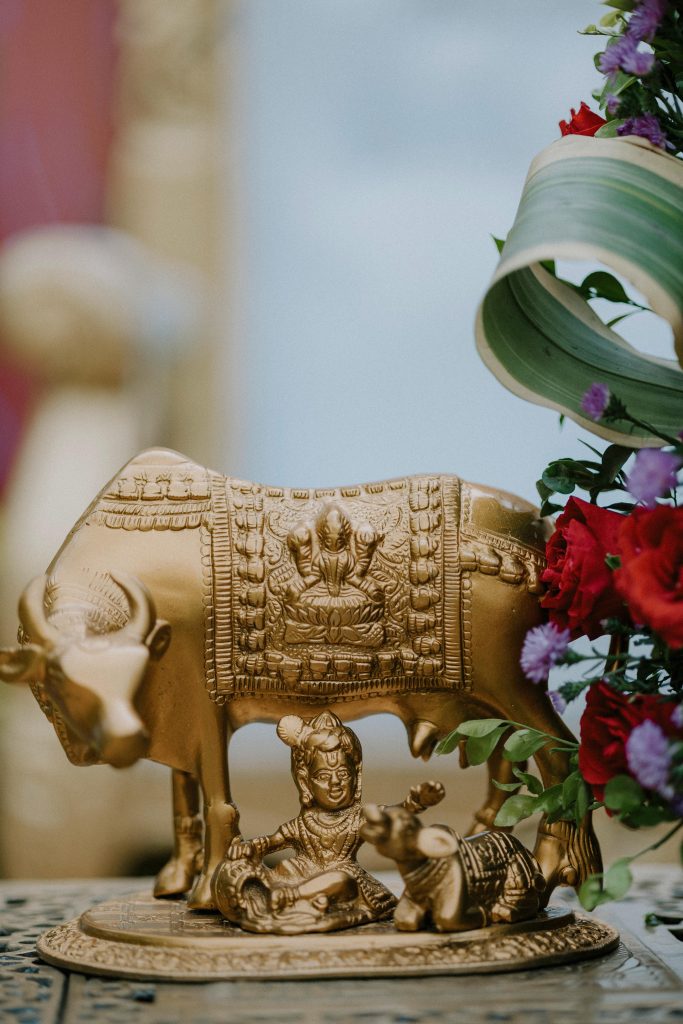
Symbolic Meaning Behind Rituals
Krishna’s Cradle (Jhula):
During Janmashtami Pooja, the beautifully decorated Jhula symbolizes the birth of divine consciousness within the heart of every devotee. Swinging the cradle represents welcoming Lord Krishna into one’s life with love and joy.
Abhishekam Ritual:
The sacred Abhishekam performed with Panchamrit during Janmashtami Pooja signifies cleansing the soul of ego and impurities. It is a gesture of complete surrender and devotion to the Supreme Lord.
Bhog and Tulsi Offering:
Offering Bhog and Tulsi leaves in Janmashtami Pooja symbolizes pure devotion and selfless love. It reminds devotees that true worship comes from a heart filled with humility and gratitude.
Midnight Aarti:
The Midnight Aarti during Janmashtami Pooja marks the divine moment of Krishna’s birth. It represents light conquering darkness, signifying spiritual awakening and the triumph of truth over ignorance.
Conclusion
Essence of Janmashtami:
Janmashtami Pooja is a celebration of love, truth, and spiritual awakening. The divine birth of Lord Krishna reminds us to embrace purity, compassion, and the presence of divinity in every moment of life.
Universal Message:
The core teaching of the Bhagavad Gita, shared through Janmashtami Pooja, is to “do your duty with devotion, without attachment.” It inspires us to live with faith, purpose, and surrender to the will of God.
Closing Prayer:
The Janmashtami Pooja concludes with heartfelt gratitude to Lord Krishna for his blessings and guidance. Devotees chant the mantra